
Every memory we keep passes through three stages: encoding, storage and retrieval. Understanding these stages is the first step towards remembering more, and remembering it for longer.
Encoding
Encoding is the moment information enters the mind. We encode best when we pay attention and when the information means something to us. Linking a new fact to a picture, a story or something we already know makes it far easier to hold on to.
Storage
Information first sits in short-term or working memory, which can only hold a few items at a time. With repetition and meaning, it is consolidated into long-term memory. Sleep plays an important role in this process.
Retrieval
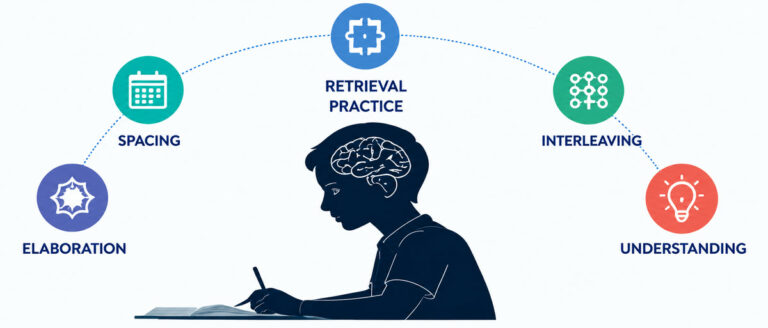
Retrieval is bringing a memory back when we need it. Each time we recall something, the memory becomes stronger. This is why practising recall, rather than simply rereading, is one of the most effective ways to learn.
Memory techniques such as visualisation, association and memory palaces work with these natural stages, which is how memory athletes remember large amounts of information quickly and accurately.